
A series gives the most reliable change because collagen induction is cumulative. Many patients do 3 sessions spaced about 4 to 6 weeks apart. Acne scars, deep wrinkles, stretch marks, or more visible skin laxity may require 4 to 6 sessions depending on the plan and the device used.
Maintenance once or twice per year helps hold results because collagen naturally declines over time, and sun exposure can speed that breakdown in a coastal climate.
There are two timelines. First, an early “glow” often shows in 1 to 2 weeks as mild swelling settles and circulation improves. Second, true dermal remodeling shows in 6 to 12 weeks as collagen matures and tightens the framework under the skin. Photos taken at 3 months commonly show the most obvious change after a series
Yes, when performed with correct settings and technique. Because the energy is delivered into deeper layers, many skin tones can be treated safely. For pigment-prone skin, the plan may include conservative energy settings, careful spacing, and a simple aftercare routine that reduces the risk of temporary darkening. Strict sunscreen matters in Laguna Beach, especially with frequent outdoor time and reflective light off the water.
People in Laguna Beach want smoother skin that still looks natural in bright coastal light. RF microneedling does that by pairing tiny needles with controlled radiofrequency energy. It can soften fine lines, tighten early skin laxity along the cheeks and jawline, and improve acne scars with minimal downtime for an active beach lifestyle. Dolce MD serves Orange County clients seeking high-end, FDA-cleared technology and a precise, physician-led approach.
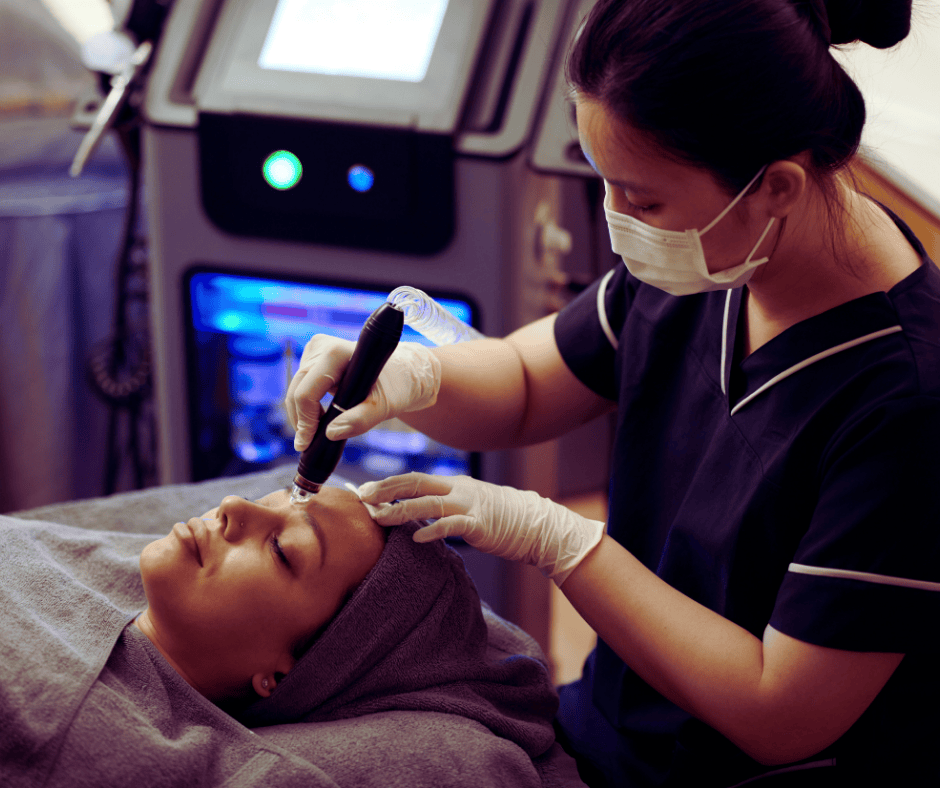
RF microneedling, also called radiofrequency microneedling or collagen induction therapy, uses a device with very fine needles that create controlled micro-injuries while delivering RF heat into deeper skin layers. Those microchannels trigger repair. The RF heat creates thermal zones that push dermal remodeling, so the skin builds more collagen and elastin, the proteins tied to firmness and bounce.
It can help patients who want skin tightening and texture improvement without the surface disruption of many traditional resurfacing options.
Most patients notice the skin feels tighter and looks more even within 2 to 4 weeks. The larger changes develop gradually over 6 to 12 weeks as collagen matures. With a full series, many patients see smoother texture, refined pores, softer expression lines, and acne scars that blend more with surrounding skin.
For sun-exposed coastal skin in 92651, these are common improvements patients ask about:
A topical numbing cream makes sessions very tolerable. Many patients describe pressure and quick heat pulses. The face typically looks pink to red for 24 to 48 hours, similar to a mild sunburn. Mild swelling for a day or two is common. Light flaking can occur around days 3 to 5 as the surface refreshes.
Many Laguna Beach patients schedule around workouts, surf time, or beach days. A short “sun-smart window” after treatment helps protect results and reduces irritation.
Classic microneedling focuses on controlled surface injury to support collagen induction. RF microneedling adds radiofrequency energy, which can reach deeper layers and support skin tightening, acne scar remodeling, and contour refinement. For early jowls, enlarged pores, and more visible textural irregularities, RF microneedling in Laguna Beach is often the stronger option.
People with mild to moderate skin laxity, acne scars, enlarged pores, sun damage, hyperpigmentation, or uneven texture often do well. It fits those who want visible change without surgery and can follow aftercare basics like sunscreen and short-term heat avoidance.
If there are active skin infections, inflamed cystic breakouts, open lesions, or recent isotretinoin use, the timing may need to shift for safety.
Face, neck, and jawline are common. Many patients also choose the chest for sun damage and crepey lines, and some treat above the knees or upper arms for mild laxity. The neck and chest often require gentler settings because the skin is thinner and more reactive.
New collagen can last about 12 to 18 months depending on age, sun habits, and lifestyle. Skin continues to age, so maintenance helps. Patients who protect results with daily sunscreen and a simple routine often hold improvements longer. A maintenance session every 6 to 12 months is a common strategy for consistent firmness.
Temporary redness, swelling, pinpoint bleeding, and light flaking are common. Small bruises can occur, especially around thinner skin near the eyes. Less common risks include temporary dark spots in pigment-sensitive skin or small breakouts if aftercare is too heavy. A physician-led clinic and clear aftercare instructions keep risk low, and quick check-ins help if anything looks unusual.
Keep it simple. Use a gentle cleanser, a bland moisturizer, and mineral sunscreen daily. Avoid retinoids, exfoliating acids, and strong actives for several days. Skip hot tubs, steam rooms, and high-intensity workouts for 24 to 48 hours. For beach time, use a hat and reapply SPF every two hours, especially along Pacific Coast Highway and open shoreline areas where UV exposure adds up fast.
Combination plans often bring the best cosmetic payoff. Neuromodulators can soften dynamic lines while RF microneedling targets texture and laxity. Pigment treatments and light peels can brighten brown spots on a separate schedule. For acne scars, adding subcision for tethered rolling scars can increase improvement. The spacing matters, and the plan should be customized after an in-person assessment.

Fractional laser resurfacing can create dramatic surface change, but downtime and sun avoidance can be tougher in a beach community. RF microneedling works deeper with less surface disruption, so recovery is often easier for Laguna Beach routines. For many rolling scars and textural irregularities, RF microneedling can deliver strong improvements over a series while keeping the “back to life” window shorter.
In the late 20s to early 30s, goals often center on pore refinement, glow, and preventive firmness. In the late 30s to 40s, patients often see more visible tightening along the cheeks and jawline with softer fine lines. In the 50s and 60s, the plan usually targets structural support and smoother texture, and some patients pair treatments with other modalities for the most natural outcome.
A common schedule is three visits over about 3 months, with peak changes around month 4 or 5 as collagen matures after the last session. If there is a wedding, major event, or professional photo session, starting 3 to 4 months ahead helps the final tightening show up on the day it matters.
Local access matters because treatments are spaced weeks apart. Patients want predictable appointment times, consistent technique, and quick check-ins during healing. Many Laguna Beach patients schedule sessions around work in nearby hubs and errands, then return to normal routines with minimal interruption.
Yes, especially for rolling and boxcar scars. The needles break up scar structure while RF energy supports dermal remodeling so depressed areas can rise and blend. Ice-pick scars may need additional methods to address sharply defined pits. Many acne scar patients see meaningful change after 3 to 5 sessions, with continued improvement for months as collagen matures.
It can help mild to moderate laxity, early softening at the jawline, and “tech-neck” lines. For heavier laxity, a staged plan may include other energy-based tightening or structural support options. A provider should assess skin quality, laxity level, and realistic outcomes during consultation.
Sun exposure, salt air, and outdoor routines can dry skin and speed collagen breakdown. Plans here often emphasize hydration, barrier support, and strict sunscreen to protect results. Scheduling around surf, hikes, and long beach days reduces irritation. Many locals want subtle, believable improvement that still looks like them at Main Beach, Heisler Park, or brunch in Laguna Village.

In a luxury market, technique and technology both matter. Dolce MD emphasizes customized treatment plans using FDA-cleared platforms and careful settings. Many patients ask about Morpheus8 (InMode) and Potenza (Cynosure) because they are known for fractional RF and deeper remodeling options. Depending on goals, treatment may focus on tightening, pore refinement, acne scars, or sun-damaged texture.
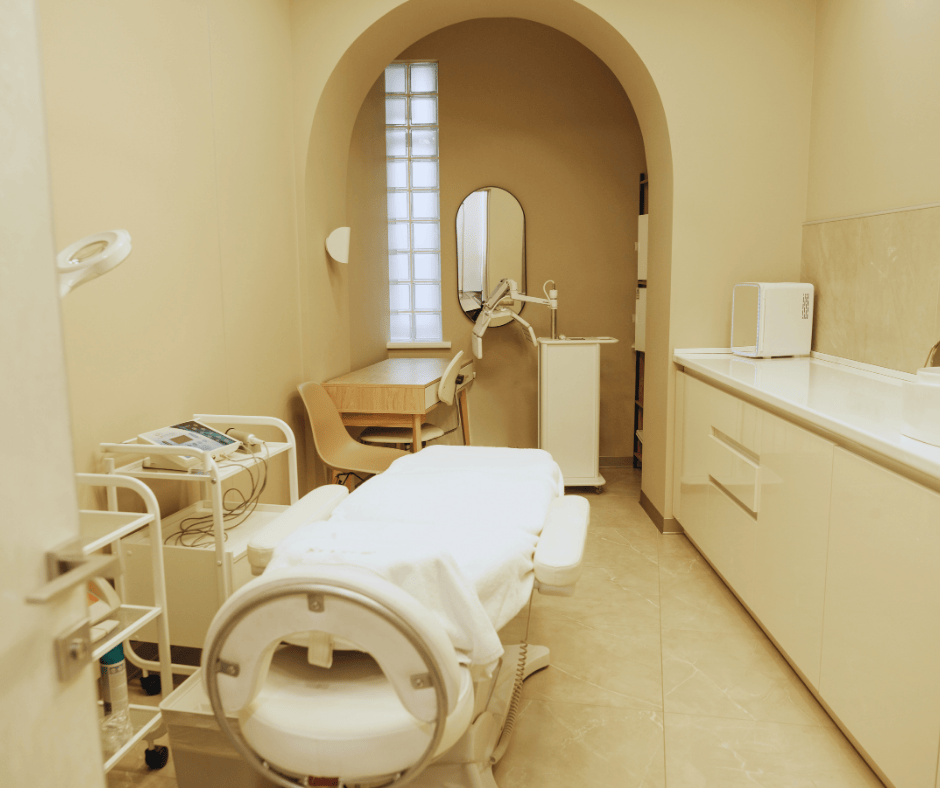
Trust and safety also matter. A physician-led clinic with private treatment rooms, a board-certified medical director, and an aesthetic nurse specialist team supports consistent technique and careful aftercare. Many plans include calming post-treatment hydration support such as hyaluronic acid, and in select cases, growth factors based on the provider's protocol.
Dolce MD serves Laguna Beach (92651) and nearby areas including Aliso Viejo (92656), Laguna Niguel (92677), and Dana Point (92629). Patients often travel from Emerald Bay, Irvine Cove, Three Arch Bay, South Laguna, Temple Hills, Top of the World, Bluebird Canyon, and Wood's Cove for a consistent, high-standard RF microneedling experience.
Landmark proximity is part of the convenience for follow-ups. Many clients schedule appointments around time near Pacific Coast Highway, the Laguna Art Museum, Treasure Island Park, Victoria Beach, Thousand Steps Beach, and Montage Laguna Beach.
If the goal is firmer skin, smoother texture, and visible acne scar improvement without a long recovery, a consultation can confirm candidacy and map out sessions, timing, and aftercare. The best results come from the right device choice, precise settings, and a plan that matches the skin and lifestyle.
RF microneedling supports collagen induction therapy and dermal remodeling to tighten skin and soften scars. Many patients do 3 sessions, see early changes in 2 weeks, and notice peak results over the following months. Sun protection and simple aftercare help maintain improvements in a coastal environment. Consistency, clinical standards, and an experienced medical team are what make results predictable.
Redirect to:
|
This page is a redirect. The following categories are used to track and monitor this redirect:
|
Redirect to:
|
This page is a redirect. The following categories are used to track and monitor this redirect:
|